

2026 September 02

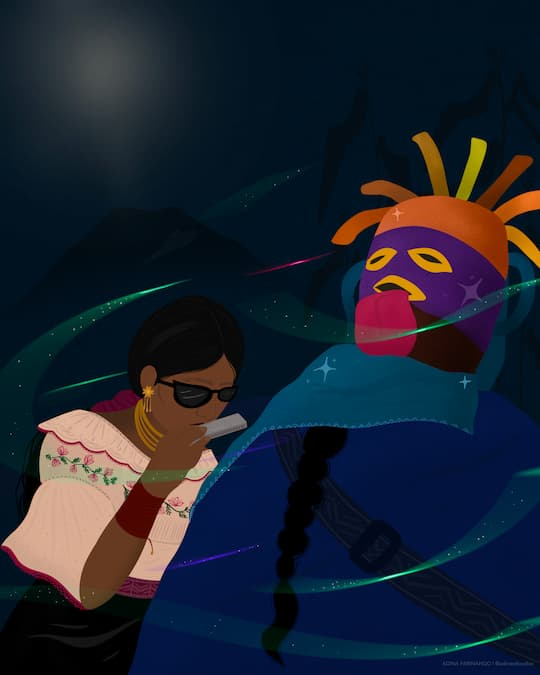
Inti Raymi honors the sun, the winter solstice, and the earth, celebrating the reciprocal relationship between people and the land
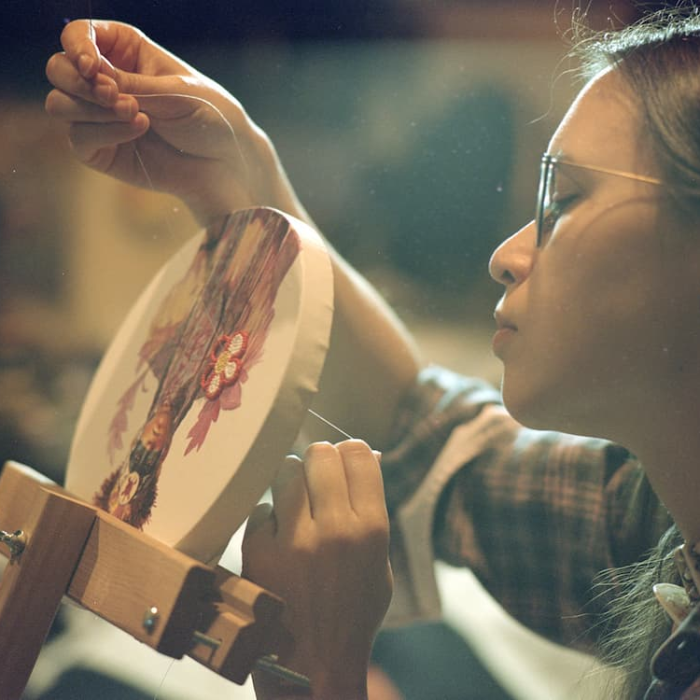
Beadwork, or beading, is a longstanding artistic tradition of the Ojibwe people, who call glass beads manidoominens, or little spirit berries.
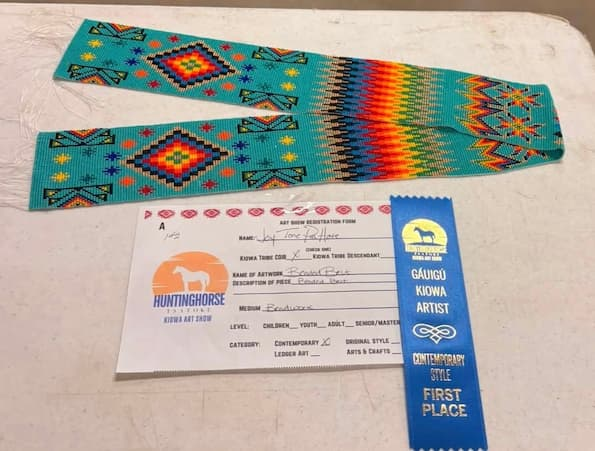
A Crushing Colonialism interview with award-winning bead artist Joy Tonepahhote on continuing the beading tradition and preserving Kiowa culture
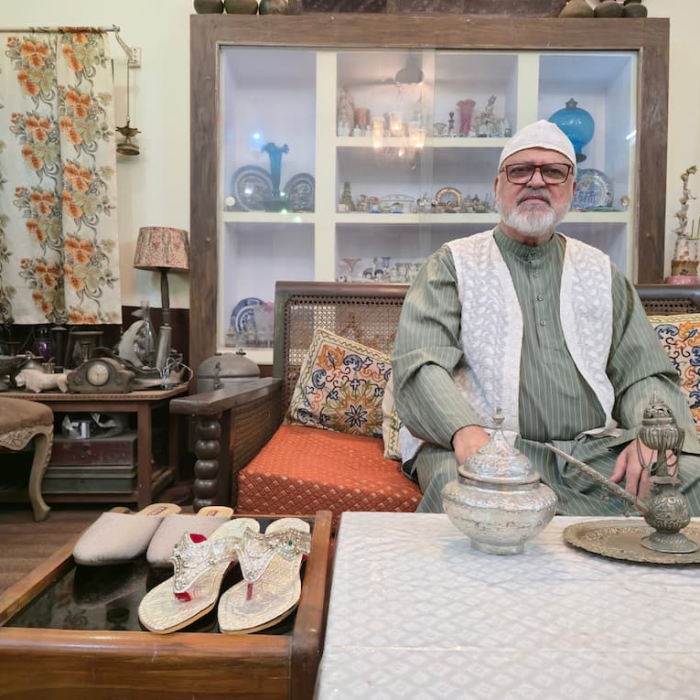
Nagra, or chandi ke paposh, the Urdu term for silver footwear, is one of the most distinctive yet rapidly vanishing artisanal traditions in “Lucknow”
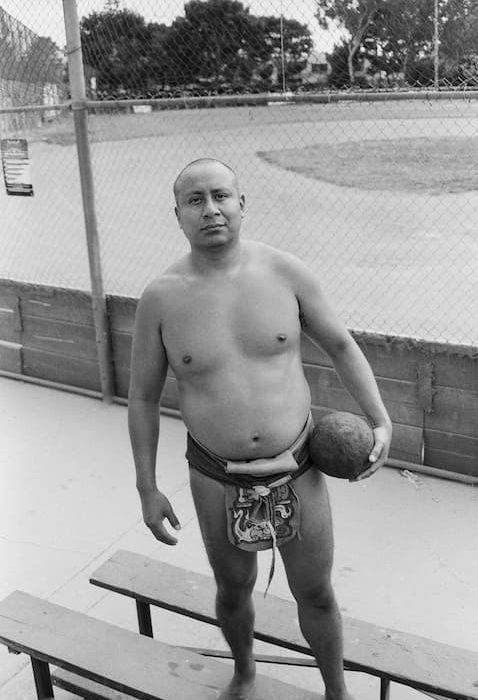
For Indigenous peoples, games like ullamaliztli carry history, ceremony, and community traditions from one generation to the next
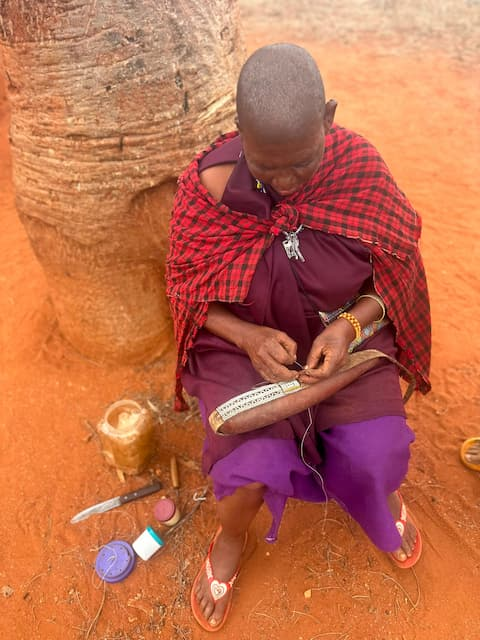
Naomi Lemunga tells the story of being born and raised in Maasai land on the plains beneath Mount Kilimanjaro in Northern Tanzania
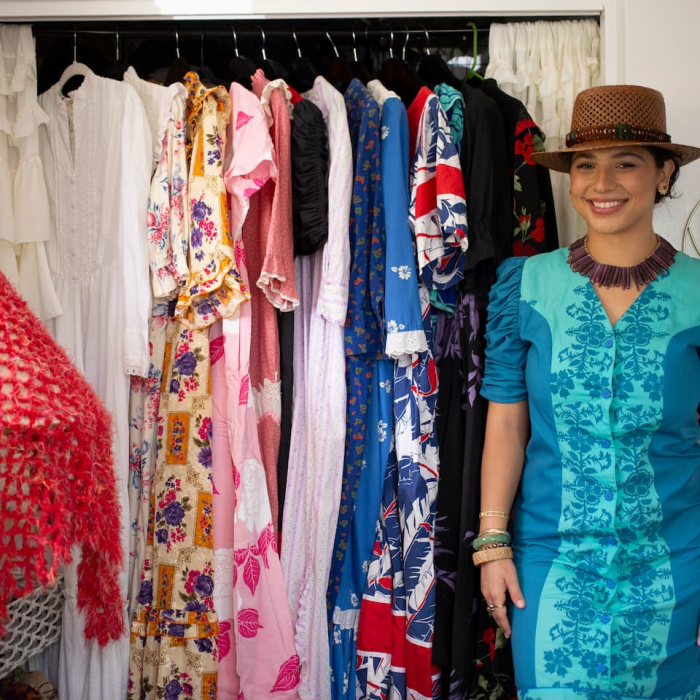
Native Hawaiians show off their #LoleOKaLā for the annual Merrie Monarch Festival — a celebration of Hawaiian culture through hana noʻeau, mele, oli and hula.
There is a particular kind of violence that comes with being spoken of only in the past tense. For generations, Indigenous cultures across the “United States” and beyond have been described by outsiders as “vanishing,” deemed as artifacts to be salvaged before they disappear entirely.
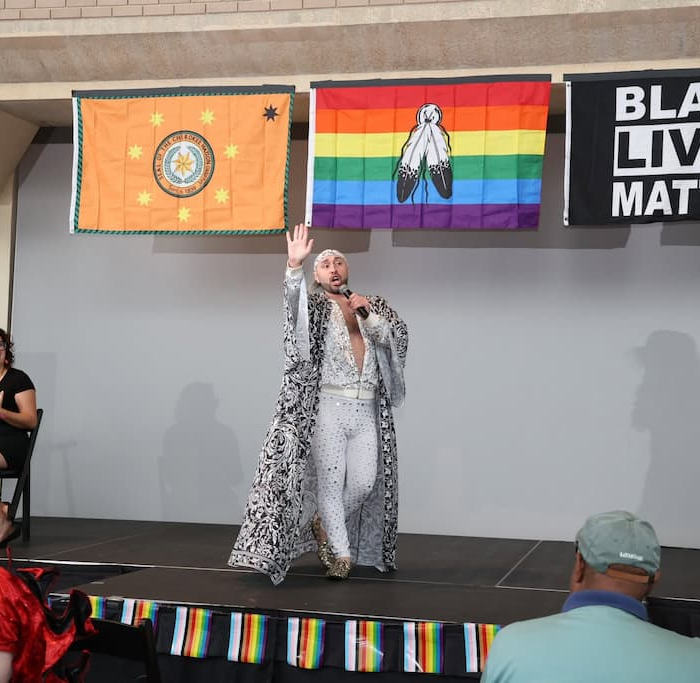
Our organization’s Two-Spirit and Indigiqueer WorldPride programming has been recognized in a global report on Pride and LGBTQIA+ communities around the world by Outright International: “We Will Not Bow To Fear”: Pride Around the World in 2025.