

The Magazine
Growing Up Maasai in a Changing World
- By: Naomi Lemunga
Before I knew the meaning of tradition, I was already living it. Growing up on the plains of Mount Kilimanjaro in Northern Tanzania, I learned through my mother’s songs, the voices of my Elders, and the stories that shaped me as a Maasai girl.
Where My Story Begins
When I think about my childhood, I do not remember big events first. I remember voices, songs, and stories. These memories shaped me long before I understood what culture and identity meant.
I was born and raised in Maasai land on the plains beneath Mount Kilimanjaro in
Northern Tanzania. There, traditions were not something we practiced only during ceremonies. They were part of our everyday lives. Looking back now, I realize that my first classroom was not a school. It was my home.
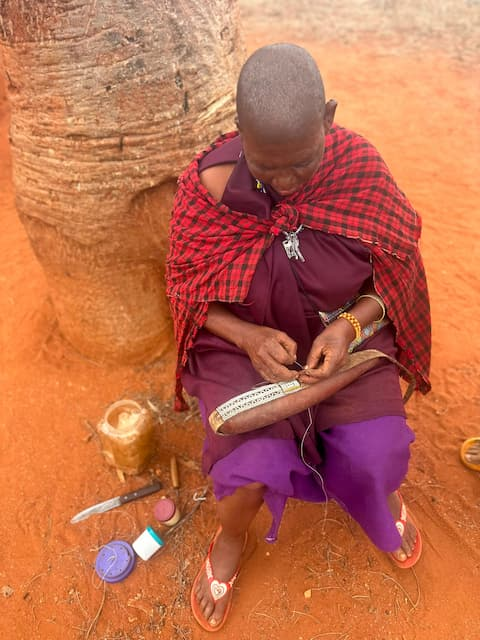
One of my happiest memories is watching my mother create Engoti, the colorful
beadwork proudly made and worn by Maasai women. She usually worked in the morning or afternoon outside our home, where the daylight helped her carefully place every bead. I sat nearby, watching the patterns come together.To me, they were beautiful colors. To her, they carried meaning, identity, and tradition.
As she worked, my mother often sang in Maa. One song has stayed with me all my life: “Malimana nanu pesho kakaata engipirita.”Later, she told me it meant, “I am not struggling for nothing. I have goals.” As a child, I simply loved hearing her sing. Today, I understand that her song taught me perseverance, hope, and purpose. Today, whenever I remember that song, I also remember her strength, patience, and love.
My father taught me that being Maasai is about more than traditional clothing or language. It is about respecting our community, caring for the land and livestock, listening to Elders, and protecting the values passed down through generations. Those ordinary moments became the foundation of who I am. Before I learned from books, I learned from my family. Before I understood history, I was already living my ulture.
Evenings That Taught Me to Listen
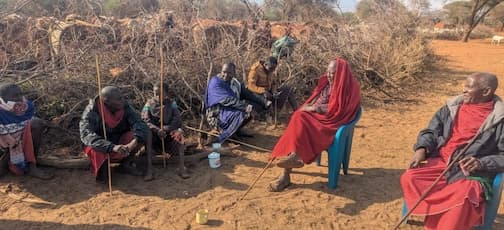
When the day ended and the air became cooler, our community gathered. Evenings brought people of all ages together to share knowledge. One of the most important traditions I grew up with was Oloongukuuni, ancient folktales about cattle, heroes, and legends. Whoever was the oldest person present would begin the story. As soon as the elder started speaking, every child became quiet.
We listened carefully as the stories were told.These stories taught us courage, kindness, honesty, and our responsibilities to one another. After the stories came one of my favorite moments of the evening: Oloyete, our traditional riddles. The elder would call out: “Oloyeeeteeee!” And all the children would answer: “Eewo!”
Then the riddles would begin. We laughed, guessed, and learned to think carefully. At the end of the evening, my grandmother often gave us a blessing:
“Mekitoripo Enkai.”
“May God protect you.”
Even today, those words still live in my heart. They remind me of the warmth of my family and the power of spoken traditions.
What the Beads Remember
As I grew older, I began to understand that our traditions are carried not only through stories and language but also through the work of our hands. The things I saw every day as a child became some of my most meaningful memories as an adult.
One of those memories is watching Maasai women create Engoti, our traditional
eadwork. Today, I understand that Engoti is more than decoration it expresses identity and preserves tradition.
Just like the beadwork itself, our culture is built one piece at a time. Every song my mother sang, every story shared during Oloongukuuni, every riddle in Oloyete, and every blessing from my grandmother added another piece to the person I was becoming.
At home we spoke Maa every day. Through it, we shared our values, history, prayers, songs, and blessings. Every time I speak Maa, I feel connected to my family and community.
As I have grown older, I have realied that traditions do not stop us from moving
forward. Instead, they give us strong roots as we grow. Education and meeting people from different cultures have helped me grow, but they have also made me appreciate my Maasai identity even more
Women Carry Our Future
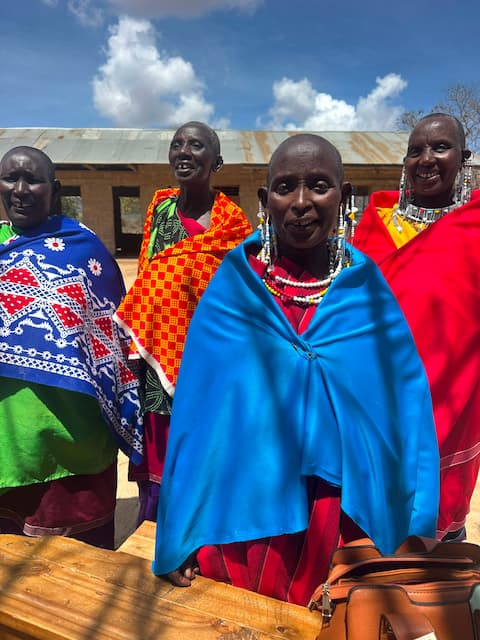
As I grew older, I realied Maasai women are teachers, caregivers, and the first guides in a child’s life. From mothers and grandmothers to respected older women in the community, they help shape the future long before children are old enough to understand the importance of their work.
One tradition that shows this is Enkipukonoto Eaji, a ceremony that welcomes a new baby into the community. During this ceremony, an Elder woman guides the mother and chooses a respected name that connects the child to their family and community. The ceremony welcomes the child with love, responsibility, and belonging.
Watching the women in my community taught me that culture is preserved through everyday actions, conversations, and .
Today, Maasai women continue to balance tradition with education, family, and community life while keeping our culture alive. Their strength reminds me that traditions do not disappear when the world changes. They continue through the people who value them and choose to pass them on.
Growing Up Maasai in a Changing World
The world around my community has changed in many ways. More children are going to school. Technology connects us with people across the world. Climate change has affected the land that many Maasai families depend on, and modern life continues to bring new opportunities and new challenges.
As a young Maasai woman, I believe education and tradition can grow together. We can embrace new opportunities while continuing to speak Maa and honour our customs. Our culture is not something that belongs only in the past. It grows with every generation that chooses to carry it forward.
As I older, I have come to understand that culture is not something we inherit once and keep forever. It is something we choose to carry every day. Every time I speak Maa, remember a story told during Oloongukuuni, smile at the call of “Oloyeeeteeee!”, or think of my mother’s quiet determination as she worked and sang, I am choosing to keep those traditions alive
For me, the beads my mother made are more than beautiful objects. They remind me that every generation has a responsibility to add its own thread to the story without breaking the ones that came before. that future Maasai children will grow up hearing Maa spoken with pride, listening to the wisdom of their Elders, and knowing that our traditions are not only memories of the past—they are part of the future we are creating together.

About the Author
Naomi Lemunga is a Maasai writer and storyteller from the Mount Kilimanjaro plains in Northern Tanzania. She writes about Indigenous knowledge, oral traditions, women, and cultural heritage through the experiences of her own community. What the Beads Remember is inspired by her childhood and the teachings of her family and Elders.